

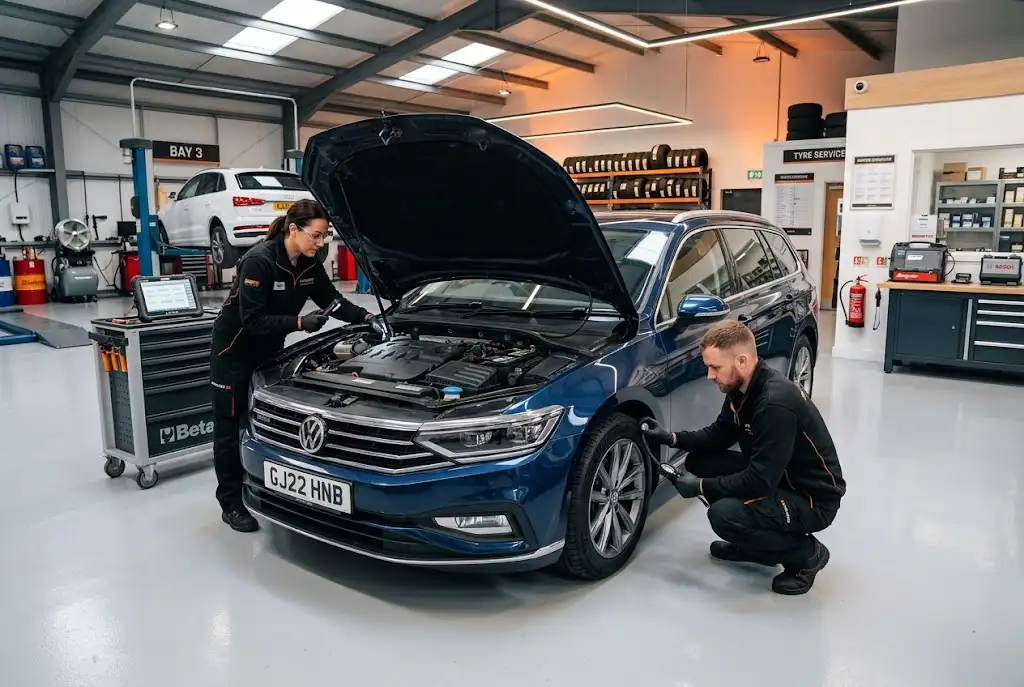
Regular car maintenance is one of the simplest ways to keep a vehicle safe, reliable and ready for everyday driving. Servicing deals with scheduled maintenance, while everyday vehicle care helps you spot potential problems between garage appointments. For UK drivers, combining both approaches can make it easier to manage wear, prepare for changing weather and avoid leaving important issues until they become more serious.
Good maintenance does not mean carrying out complicated mechanical work yourself. Simple checks, following the manufacturer’s service schedule and responding promptly to warning signs can make a significant difference. A clear service history can also help you understand what work has already been completed and what may be due next.
What Is Car Maintenance?
Car maintenance covers the routine checks, servicing and preventative work carried out to keep a vehicle in suitable operating condition. Some maintenance is performed by the driver, while more technical tasks should be handled by a qualified technician.
Routine maintenance can include checking tyre condition and pressures, monitoring fluid levels where appropriate, inspecting lights and paying attention to warning indicators. Scheduled servicing can involve more detailed inspections and replacement of items such as engine oil, filters and other manufacturer-specified components.
The exact requirements depend on the vehicle. A small petrol hatchback will not necessarily have the same maintenance schedule as a diesel SUV, hybrid or electric car. Your owner’s handbook and manufacturer service information should therefore be the starting point for understanding your vehicle’s requirements.
Why Is Car Maintenance Important?
Preventative maintenance gives you an opportunity to identify potential problems before they become unexpected breakdowns or expensive repairs. It cannot prevent every mechanical failure, but regular attention can make vehicle ownership more predictable.
Maintenance also helps you keep track of wear and scheduled replacement items. For example, tyres, brakes, fluids and filters all have different inspection or replacement requirements.
Another benefit is better record keeping. A consistent maintenance history provides useful information to future technicians and can also be valuable when you eventually sell the vehicle.
How Often Do Cars Need to Be Serviced?
One of the most common maintenance questions is, how often do cars need to be serviced? There is no single answer for every vehicle.
Manufacturers establish service intervals based on factors such as vehicle design, engine type, mileage and time. Some vehicles use service indicators or onboard systems to remind the driver when maintenance is due.
Driving conditions can also affect how quickly certain components wear. Frequent short journeys, heavy traffic, high mileage or demanding driving conditions may place different demands on a vehicle from occasional longer journeys.
Rather than relying on a generic annual rule, check the manufacturer’s recommended service interval for your particular vehicle. If the service history is incomplete, a reputable garage can inspect the car and advise what maintenance may be appropriate.
Understanding Your Vehicle Service Schedule
A vehicle service schedule provides a structured plan for maintaining the car at particular mileage or time intervals. It can specify when certain fluids, filters, spark plugs or other components should be inspected or replaced.
Not every maintenance item needs attention at every service. Some are scheduled at longer intervals, which is why a major service can involve different work from an interim or full service.
Keeping the manufacturer’s schedule available can help you understand why a garage has recommended a particular maintenance task. It also gives you a useful reference when comparing service quotations.
For more information about comprehensive scheduled servicing, see our guide to full car service.
Service Intervals and Different Types of Servicing
Service intervals vary from one vehicle to another. Depending on the manufacturer’s recommendations, drivers may encounter interim, full and major services during the life of a vehicle.
Interim Servicing
An interim service is generally intended as a shorter maintenance appointment between more comprehensive services. It may focus on essential checks and routine maintenance appropriate to the vehicle’s schedule.
Full Servicing
A full service normally involves a wider range of inspections and maintenance tasks. Depending on the vehicle, this may include oil and filter changes, brake and tyre checks, fluid inspections, battery checks and other scheduled items.
Major Servicing
A major service may include additional manufacturer-specified maintenance that becomes due at particular mileage or time intervals. The exact requirements vary considerably between vehicles.
Choosing the right service level should therefore be based on the manufacturer’s schedule and your vehicle’s service history rather than simply choosing the package with the lowest price.
What Car Maintenance Can You Do Yourself?
Drivers can carry out several straightforward checks without attempting complex mechanical repairs.
- Check tyre condition and pressures regularly.
- Make sure exterior lights are working.
- Look for obvious fluid leaks underneath the vehicle.
- Monitor dashboard warning lights.
- Check fluid levels where the manufacturer provides instructions for doing so.
- Pay attention to unusual noises, vibrations or changes in handling.
- Keep windscreens, mirrors and lights clean.
These checks do not replace professional servicing. Instead, they complement scheduled maintenance and can help you notice changes between garage visits.
Car Maintenance Plans UK Drivers Can Consider
Car maintenance plans UK drivers encounter can vary significantly. Some garages and vehicle manufacturers offer plans designed to spread the cost of scheduled servicing or cover particular maintenance requirements.
Before agreeing to a maintenance plan, check exactly what is included. Some plans may cover scheduled servicing but exclude tyres, repairs or wear-and-tear items. Others may be tied to particular service intervals or mileage limits.
Compare the total cost with the servicing requirements in your manufacturer’s schedule. A plan can be useful if it makes budgeting easier, but the terms should be clear before you commit.
What Are Service Packs?
Service packs are another way some garages or manufacturers package scheduled maintenance. They can help drivers understand the expected servicing requirements and, depending on the provider, spread or simplify the cost.
As with maintenance plans, read the terms carefully. Check which services are included, whether parts and consumables are covered and what happens if additional repairs are discovered.
It is also worth checking whether the package follows the manufacturer’s recommended schedule for your specific vehicle.
Keeping a Complete Service History
A vehicle’s service history records maintenance carried out during its ownership. Keeping this information organised can make future servicing easier and provide useful evidence when selling the vehicle.
Keep invoices, service documents and details of completed maintenance. If the vehicle uses a digital service record, ask the garage how the completed service will be recorded.
A clear history can also help technicians understand what has already been replaced or inspected. This reduces uncertainty when planning future maintenance.
Digital Service Records and Modern Vehicles
A digital service record can make maintenance information easier to store and access than a traditional paper service book. Depending on the manufacturer and vehicle, servicing information may be recorded electronically.
If your vehicle has a digital record, check that servicing is being documented correctly after maintenance. Keep invoices as supporting evidence even when the manufacturer’s system stores the service electronically.
For used vehicles, available digital records can be particularly useful when establishing what maintenance has already been completed.
Winter Car Check: Preparing for Colder Weather
A winter car check can help identify basic maintenance issues before colder and wetter conditions arrive. UK winter driving can involve reduced daylight, rain, frost, strong winds and occasional snow or ice, so preparation is worthwhile.
Check that your tyres have suitable tread and are correctly inflated. Make sure lights work properly and that the windscreen washer system is adequately maintained. Battery condition can also become more important in colder weather, particularly if the vehicle already has starting difficulties.
Drivers should also make sure their windscreen, mirrors and lights can be kept clear during poor weather. If you notice a warning light or mechanical problem, arrange an appropriate inspection rather than waiting for the weather to worsen.
Car Maintenance Before a Long Journey
Long journeys are a good reason to perform a basic vehicle check. Look at tyre condition, fluid levels where appropriate and exterior lights. Check the windscreen and make sure warning indicators are not being ignored.
If the vehicle is approaching a scheduled service, consider booking it before travelling. This gives the garage an opportunity to identify maintenance issues that could otherwise disrupt your journey.
It is particularly important to investigate unusual noises, steering changes, vibrations or braking concerns before setting off on a long trip.
Common Car Maintenance Mistakes to Avoid
One of the most common mistakes is waiting for a warning light before carrying out routine maintenance. Some wear develops gradually without triggering an immediate dashboard warning.
Another mistake is assuming that an MOT replaces servicing. An MOT checks specific legal roadworthiness and environmental requirements; it does not provide a complete assessment of every mechanical component.
Drivers should also avoid automatically choosing a service package without checking the manufacturer’s schedule. An interim service may be appropriate at one point, while a full or major service may be due at another.
Our guide to MOT and service explains why these two aspects of vehicle care should be treated separately, even when they are booked together.
Car Maintenance and Repair Costs
Regular maintenance can help you identify potential problems earlier, although it cannot eliminate repair costs. If a technician discovers worn or damaged components during a service, those repairs may be charged separately.
For example, a service might identify worn brake pads or uneven tyre wear. Addressing the problem may add to the immediate bill, but ignoring it could allow the issue to develop further.
Understanding servicing prices can also make maintenance easier to budget. Our guide to car service cost explains the factors that influence UK servicing prices, including service type, labour and parts.
How to Find a Reliable Garage
Choosing a suitable garage is an important part of effective vehicle maintenance. Look for a business that provides clear quotations, explains recommended work and has appropriate equipment for your vehicle.
Ask what is included in the service and whether additional repairs require your approval. A professional garage should be able to explain why a particular maintenance item is recommended rather than simply adding unexplained costs to the invoice.
If your vehicle has manufacturer-specific requirements, confirm that the garage can follow the relevant service schedule and record the completed work correctly.
Creating a Simple Car Maintenance Routine
A practical maintenance routine does not need to be complicated. Start by keeping a record of your vehicle’s last service, current mileage and next scheduled maintenance.
Between services, periodically check tyres, lights and visible vehicle condition. Pay attention to warning indicators and changes in performance. Before winter or a long journey, carry out additional basic checks.
Finally, keep all servicing and repair invoices together. This creates a useful history that can guide future maintenance and demonstrate how the vehicle has been cared for.
Final Thoughts on Car Maintenance
Effective car maintenance combines scheduled servicing with sensible checks between garage appointments. Following your manufacturer’s vehicle service schedule, monitoring tyres and fluids where appropriate, preparing for seasonal conditions and keeping accurate service records can all contribute to more predictable vehicle ownership.
Regular maintenance should not be viewed as an unnecessary expense. It is a practical part of looking after a vehicle and identifying potential problems before they become more disruptive. By combining preventative care with timely servicing and MOT testing, UK drivers can take a more organised approach to keeping their cars safe, reliable and road-ready.
