

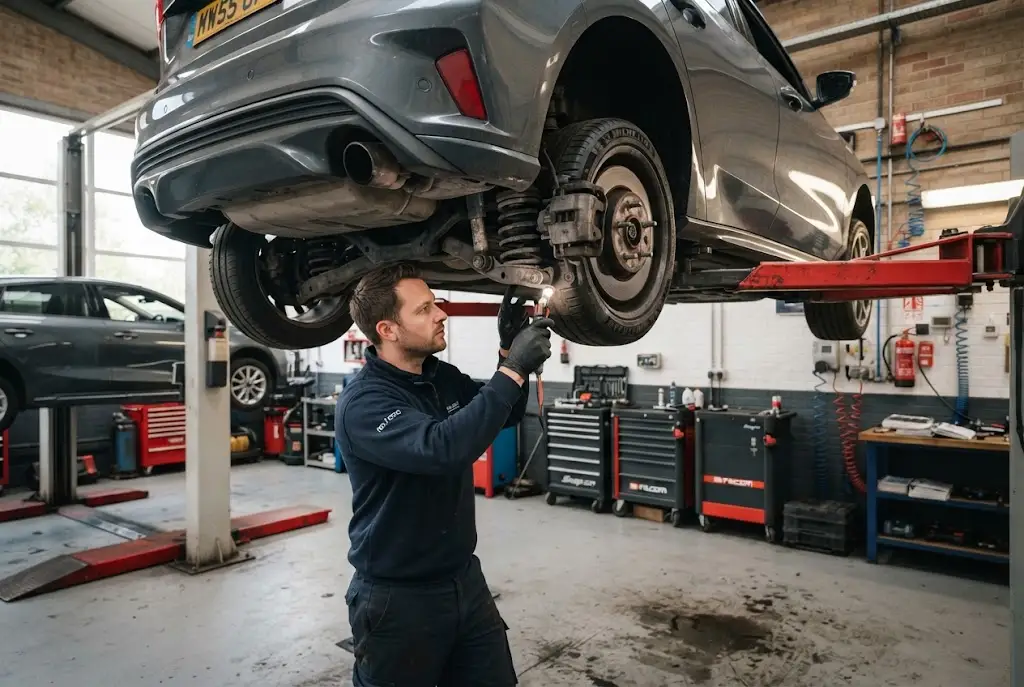
Reliable suspension repair helps keep a vehicle stable, comfortable and predictable on the road. Your suspension system works with the steering, wheels and tyres to help the vehicle respond to changes in the road surface. When components become worn or damaged, you may notice unusual noises, uneven tyre wear, poor handling or a vehicle that feels unstable through corners.
Suspension problems can develop gradually, so drivers do not always recognise the symptoms immediately. A professional suspension inspection can identify worn components and help determine whether repair, replacement or further investigation is required.
When Do You Need Suspension Repair?
Suspension components experience repeated loads from potholes, speed bumps, uneven surfaces and normal driving. Over time, parts such as springs, dampers, bushes, ball joints and other components can wear.
Common signs that may indicate a suspension problem include:
- Excessive bouncing after going over bumps
- Unusual knocking or clunking sounds
- The vehicle leaning noticeably to one side
- Uneven or accelerated tyre wear
- Excessive body movement when cornering
- A noticeably harsh or uncomfortable ride
- The vehicle dipping excessively when braking
- Steering that feels loose or less precise
Not every symptom necessarily means the same component has failed. For example, uneven tyre wear can have several possible causes, including wheel alignment or suspension-related issues. This is why diagnosis should come before replacing parts.
What Does a Suspension Inspection Check?
A suspension inspection is designed to assess the condition of the components responsible for controlling the vehicle’s movement and maintaining contact between the tyres and road.
Depending on the vehicle and reported symptoms, a technician may inspect dampers, springs, bushes, ball joints, suspension arms, mounting points and related steering components. The condition of the tyres and wheels may also be considered because suspension and wheel-related problems can affect each other.
An inspection should also consider whether components are worn on one side or across an axle. In some situations, replacing components in pairs may be recommended to maintain balanced performance, although the appropriate repair depends on the vehicle and the manufacturer’s requirements.
How Suspension Problems Affect Steering
The suspension and steering systems work closely together. A worn suspension component can influence how accurately the vehicle tracks through corners and over uneven surfaces.
Drivers may notice that the steering wheel no longer feels as precise as it used to. The vehicle might wander, pull to one side or require more correction on uneven roads. However, these symptoms can also be associated with tyre pressure, wheel alignment, steering components or other issues.
If steering feels abnormal, a proper diagnosis is more useful than assuming that the suspension is automatically responsible. A workshop can inspect the relevant systems and determine which components require attention.
Suspension Replacement Cost: What Affects the Price?
Suspension replacement cost varies according to the vehicle, component being replaced, parts selected and labour required. There is therefore no universal price for suspension work.
For example, replacing a single worn bush can be very different from replacing a complete suspension assembly. The cost can also increase if a damaged component has affected another part of the vehicle.
When comparing quotes, ask whether the price includes parts, labour, fitting and any follow-up checks. It is also useful to establish exactly which component has been diagnosed as faulty.
How Much Does It Cost to Change Car Suspension?
The question of change car suspension cost is particularly difficult to answer without knowing the vehicle and the extent of the repair. Different vehicles use different suspension designs, and replacement procedures can vary significantly.
A garage should ideally explain what has failed and whether individual components can be replaced or whether a larger assembly is required. This makes the quotation easier to understand and reduces the risk of paying for unnecessary work.
Suspension Garage: What Should You Look For?
Choosing a suitable suspension garage starts with finding a workshop capable of properly inspecting the vehicle rather than simply replacing parts based on symptoms.
Before authorising work, consider asking:
- Which suspension component has failed or worn?
- Can the technician show you the affected component?
- Is the issue isolated or present on both sides?
- Does the repair require a wheel alignment afterwards?
- Are any steering or tyre issues also present?
- What parts are included in the quotation?
- Will the vehicle receive a final safety check?
A clear explanation is particularly valuable when several components could potentially cause similar symptoms.
Steering Repair and Suspension Problems
Steering repair is a separate area of vehicle maintenance, but suspension and steering faults can sometimes produce similar driving symptoms. Loose steering, unusual movement or pulling to one side should therefore be investigated carefully.
A technician may inspect steering joints, suspension arms, bushes and other related components. The vehicle may also require a wheel alignment if suspension or steering components have been replaced or if the alignment has been affected.
Correct wheel geometry is important because incorrect alignment can contribute to uneven tyre wear and affect how the vehicle tracks along the road.
Suspension Maintenance and Preventative Checks
Suspension maintenance is not limited to replacing failed parts. Regular checks can help identify developing problems before they become more expensive or affect other components.
Pay attention to changes in ride quality, handling and unusual noises. It is also sensible to have suspension components inspected when the vehicle has experienced a significant pothole impact or develops unexplained tyre wear.
Keeping tyres correctly inflated is another important part of overall vehicle maintenance. Tyres influence handling and work together with the suspension system, so their condition should not be considered separately from the vehicle’s wider road-going performance.
Suspension Repair After Pothole Damage
Potholes can subject wheels, tyres, suspension and steering components to sudden impacts. A vehicle may continue driving normally after an impact even when a component has been damaged or its alignment has changed.
After a significant pothole strike, watch for symptoms such as steering-wheel vibration, pulling to one side, unusual noises or sudden changes in tyre wear. If these appear, arranging an inspection can help identify whether the impact caused damage.
Wheel alignment is particularly relevant after impacts because changes in wheel geometry can affect steering behaviour and tyre wear. However, alignment should not be used as a substitute for checking damaged suspension or steering components.
Suspension Repair and Braking Performance
Suspension condition can also influence the way a vehicle behaves during braking. Excessive movement, worn components or poor tyre contact can affect vehicle stability.
That does not mean every braking problem is caused by suspension. If you notice grinding, squealing, vibration or other braking symptoms, arrange a dedicated brake inspection and brake repair assessment. The braking system and suspension should each be diagnosed according to their own symptoms.
When Is Suspension Repair Urgent?
Some suspension symptoms deserve prompt attention, particularly when they affect steering control or vehicle stability. Excessive movement, severe pulling, significant steering looseness or a visibly damaged component should not be ignored.
If the vehicle becomes difficult to control or you suspect serious damage after an impact, avoid continuing to drive it unnecessarily. A professional inspection can establish whether it is safe to continue using the vehicle and what repairs are required.
Keeping Your Vehicle’s Suspension in Good Condition
There is no way to prevent every suspension fault because components naturally wear and road conditions can be unpredictable. However, drivers can reduce the chance of overlooking a developing issue by paying attention to changes in handling, ride quality, tyre wear and unusual noises.
Regular servicing and prompt inspections can also help identify worn components before they create additional problems. If a suspension component is replaced, ask whether other related components and wheel alignment should be checked as part of the repair.
Ultimately, effective suspension repair begins with accurate diagnosis. Whether the issue involves worn dampers, springs, bushes, suspension arms or related steering components, understanding the underlying fault helps ensure that the right repair is carried out. For UK drivers, combining suspension checks with sensible tyre, brake and wheel maintenance provides a more complete approach to vehicle safety and handling.
For broader vehicle maintenance, related services such as auto tune-up and engine diagnostics can address engine-related concerns, while auto exhaust repair covers problems affecting the exhaust system.
