

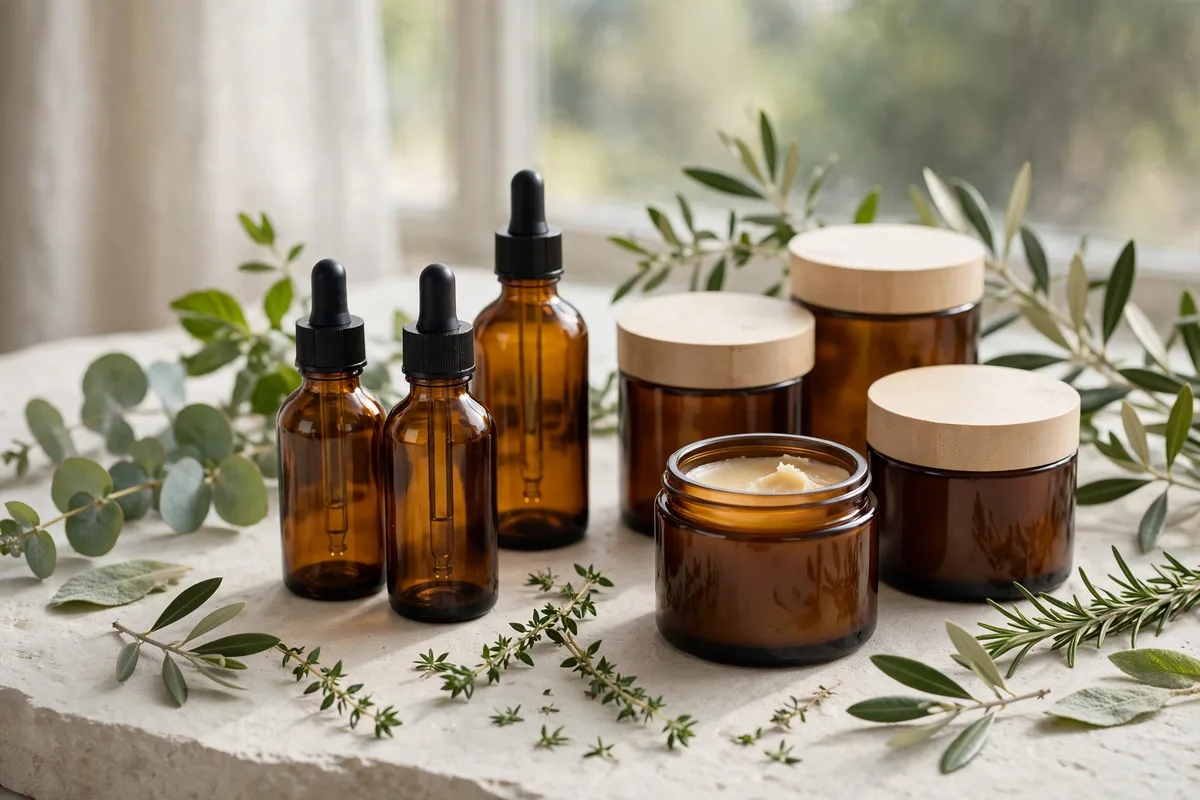
Walk into almost any beauty hall today and the change is visible: glass bottles lined up at refill stations, paperboard cartons where plastic used to be, and brands talking as much about sourcing as about results. Behind those shop-floor changes sits a bigger shift in how the industry operates. A sustainable beauty business is no longer a niche experiment for a handful of indie labels; it is becoming the model that established retailers, manufacturers and start-ups alike are reorganising around, shaped by new rules on environmental claims and by shoppers who read ingredient lists and packaging symbols with genuine care. This guide looks at what the term actually means in practice, where the real work happens, and why going green has become a commercial strategy rather than a marketing garnish. For background on the market these brands operate in, our overview of UK beauty brands sets the scene.
What Makes a Sustainable Beauty Business?
The honest answer is that no beauty business is impact-free: ingredients are grown or synthesised, products are manufactured, filled, shipped and eventually washed down drains. A sustainable beauty business is one that measures that footprint seriously and reduces it at every stage it controls — formulation, packaging, energy, logistics and end-of-life — while being precise about what it has and has not achieved. That precision matters. Vague promises about being “kind to the planet” are exactly what regulators now challenge, whereas specific, evidenced claims about recycled content or refill systems build the trust that repeat customers are made of. It is a theme running through our look at how beauty brands are developed for today’s market.
Packaging, Refills and the End of Single-Use Plastic
Packaging is where most brands start, because it is the footprint shoppers can see and touch. The visible moves include switching to glass and aluminium that recycle readily, cutting secondary cartons, concentrating formulas so smaller bottles do the same job, and designing pumps and caps that can be separated for recycling rather than landfilled as mixed materials. Refill systems are the more ambitious step: refill bars in stores, durable bottles sold once and topped up from pouches or in-store stations, and take-back schemes that collect empties for genuine reuse. You can see several of these ideas on the high street already — our guide to hair and cosmetics shops shows how mainstream retailers are presenting refill and recycling schemes to everyday shoppers.
Refills only work, though, when customers actually return. The businesses making refill economics succeed treat the return trip as part of the experience: loyalty credit for empties, subscriptions that deliver refills on schedule, and packaging handsome enough that people want to keep it. Sustainability that depends on shoppers behaving perfectly will stall; sustainability designed around convenience tends to last.
Product design plays a quieter supporting role. Concentrated formulas — solid shampoo bars, refill tablets, water-free balms — cut both packaging and transport weight at once, because so much of a conventional product is the water inside it. Multipurpose products reduce the sheer number of items a routine requires. None of these ideas demands new technology; they demand designers who are asked to optimise for footprint as well as for shelf appeal, which is precisely the brief a serious sustainable brand now writes.
Ingredients and Honest Sourcing
Behind the packaging sits the formula itself. Beauty ingredients range from farmed botanicals to sophisticated lab-made actives, and neither origin is automatically the greener choice: a natural ingredient can carry heavy land and water costs, while a lab-grown alternative can spare wild harvesting and deliver consistency with less waste. Serious brands therefore look at the whole supply chain — where raw materials come from, how the workers producing them are treated, and whether claims about a star ingredient hold up beyond the marketing page.
Certifications and standards can help buyers navigate, but labels vary in rigour, and thoughtful businesses explain which standard they follow and why, rather than collecting badges. Transparency tools are improving too: batch-level sourcing information, published supplier lists and clear INCI ingredient listings all make scrutiny easier. As our report on the future of beauty noted, this openness is quickly becoming a baseline expectation rather than a bonus.
The Rules: Green Claims in the UK
In the UK, environmental claims in advertising and on packaging must be truthful, clear and substantiated. The Competition and Markets Authority’s Green Claims Code sets out principles businesses are expected to follow — claims should not omit important information, should consider the full life cycle of a product, and should be backed by up-to-date evidence. The Advertising Standards Authority can act against misleading environmental advertising, and sectors including fashion and beauty have drawn particular attention.
For a sustainable beauty business, the practical consequence is discipline: every claim on a bottle or web page needs a file behind it. Brands that built their marketing on soft language have had to rewrite packaging and product pages, while those that kept claims narrow and provable from the start have found compliance comparatively painless. The same discipline protects against accusations of greenwashing, which travel fast on social media and can undo years of careful brand-building in a single news cycle.
Making Green Pay: Costs, Loyalty and Trust
Greener operations often cost more at the outset — better materials, audited suppliers, refill infrastructure and staff training all carry a price — yet the commercial logic is increasingly clear. Refill and subscription models bring customers back regularly. Transparent businesses earn the kind of loyalty that discounting cannot buy, and retail buyers actively seek brands whose claims will not embarrass them. There is a people dimension too: sustainability roles, from packaging technologists to supply-chain specialists, are now a visible part of the industry’s job market, as our guide to beauty careers shows.
The brands winning this transition share a pattern: they pick a small number of measurable commitments, report progress plainly, and treat sustainability as an operating system rather than a campaign. The way those stories are told is changing as well — our companion piece on beauty social commerce looks at how creators and live shopping now carry much of that message. For any business in the sector, the direction of travel is set: the sustainable beauty business is not a special category any more, but the standard the rest of the industry is being measured against.
