

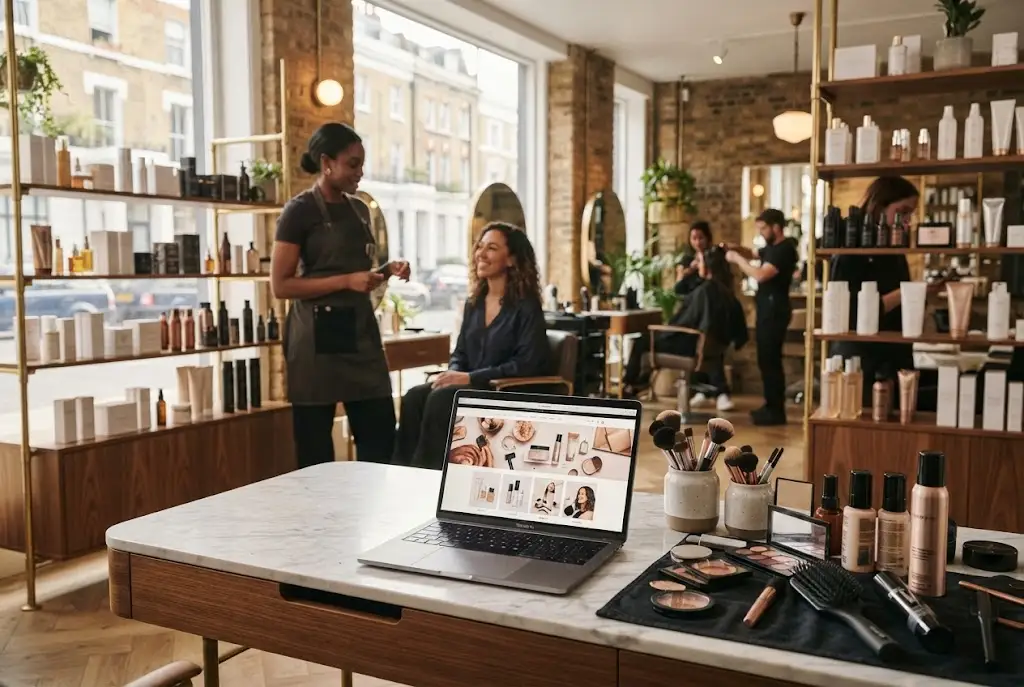
Beauty careers offer a wide range of opportunities for people interested in hair, skincare, cosmetics, wellness, retail and creative work. The industry includes hands-on roles such as beauty therapists and makeup artists, as well as positions in marketing, ecommerce, product development, customer service, buying and business management.
For anyone considering a career in beauty, the biggest advantage is the variety of routes available. You do not necessarily have to work in a salon to build a career in the sector. Beauty brands, retailers, distributors, online businesses and professional service companies all require people with different skills. Understanding these options can help you choose a direction that matches your interests and strengths.
What Are Beauty Careers?
Beauty careers cover professional roles connected with personal appearance, cosmetics, hair, skincare and related services or products. Some jobs involve working directly with customers, while others focus on the commercial and creative side of the industry.
Common career paths include beauty therapy, hairdressing, makeup artistry, nail services, skincare, aesthetics, retail, sales, marketing and education. There are also opportunities in areas such as social media, content creation, ecommerce, buying and product development.
This variety means that people with very different personalities can find a suitable role. Someone who enjoys practical work and customer interaction may prefer a salon or treatment environment, while a person interested in business could explore beauty retail or brand management.
Beauty Careers in Salons and Treatment Businesses
Traditional salon and treatment roles remain an important part of the UK beauty sector. These positions can provide a direct connection with customers and opportunities to develop practical skills.
Beauty Therapist
Beauty therapists may provide services such as facials, manicures, pedicures, waxing and other treatments, depending on their training and workplace. Strong communication skills are important because clients often expect both technical competence and a comfortable experience.
Makeup Artist
Makeup artists can work across several settings, including salons, events, weddings, photography, media and fashion. Building a portfolio can be particularly valuable because clients and employers often want to see evidence of practical ability.
Nail Professional
Nail services have become a distinct career area, with professionals specialising in manicures, nail art, extensions and related treatments. Creativity, attention to detail and hygiene are essential qualities for this type of work.
Hair and Beauty Specialist
Some professionals develop skills across multiple areas of personal care. Hair and beauty roles can be particularly attractive to people who enjoy variety and want to work with customers throughout the day.
Beauty Careers in Retail
Not all beauty careers involve providing treatments. Retail is another major area where people can develop industry experience.
Beauty retailers need employees across customer service, store operations, sales, merchandising, management and online fulfilment. Larger brands can also offer corporate roles in buying, marketing, finance, technology, human resources and ecommerce.
People interested in beauty retail can explore opportunities with established online and high-street businesses. Searches such as Beauty Bay careers, Beauty Pie careers and Cult Beauty careers can help jobseekers identify the types of positions available within beauty-focused companies.
Retail experience can also provide transferable skills. Customer communication, sales, stock management, visual merchandising and product knowledge can all be useful when progressing into other areas of the industry.
Beauty Bay Careers and Digital Beauty Retail
Online beauty retail has created opportunities that extend beyond traditional shop-floor positions. Digital businesses require people who understand ecommerce, customer journeys, online merchandising and digital marketing.
For someone exploring Beauty Bay careers, the broader lesson is that beauty and technology increasingly overlap. Ecommerce teams need product specialists, content professionals, customer service staff, marketers and technical employees working together.
This can be a useful direction for people who love beauty products but prefer a digital or commercial working environment. Skills in ecommerce platforms, analytics, content, search marketing and social media can complement existing beauty knowledge.
Beauty Pie Careers and Brand-Based Opportunities
Beauty Pie careers are another example of how modern beauty companies can create roles across multiple business functions. A beauty brand needs much more than people involved in creating or selling products.
Brand teams may work on campaigns, product launches, communications, customer relationships and digital content. Commercial teams may focus on purchasing, operations, logistics and forecasting. As a result, someone interested in beauty can enter the sector through a business discipline they already understand.
Jobseekers researching Beauty Pie jobs should therefore consider the transferable skills they can bring rather than limiting their search to roles containing the word “beauty”. Marketing, ecommerce, operations and customer experience skills can all have relevance within the sector.
Cult Beauty Careers and the Modern Beauty Industry
Cult Beauty careers demonstrate another route into beauty through specialist retail and digital commerce. Modern beauty businesses often combine editorial content, product discovery, ecommerce and community building.
That creates opportunities for people interested in writing, social media, photography, merchandising, partnerships and customer experience. Someone searching for Cult Beauty jobs may therefore find roles that look quite different from conventional salon positions.
This is an important point for anyone starting their career: the beauty industry is broader than the services customers see on the high street. Behind a successful beauty retailer are teams handling everything from product selection to website performance and customer communications.
Skills That Can Help With Beauty Careers
The exact skills required depend on the role, but several qualities are useful across the industry.
Communication
Beauty is a customer-focused industry, so the ability to listen, explain products and understand client expectations is valuable. Good communication can also help professionals build long-term relationships.
Attention to Detail
Beauty services and products often require precision. Whether applying makeup, completing a nail service, managing product information or creating marketing content, small details can influence the final result.
Creativity
Creative thinking is particularly useful in makeup, hair, content, social media, branding and product development. However, creativity is not limited to artistic roles. Retail and marketing professionals also need fresh ways to present products and engage customers.
Commercial Awareness
People interested in progressing into management, retail, ecommerce or brand roles should understand how businesses operate. Knowledge of customers, pricing, competition and changing consumer behaviour can help when moving beyond entry-level positions.
Do You Need Qualifications for Beauty Careers?
Requirements vary considerably between beauty roles. Practical treatment positions can involve vocational training and workplace experience, while corporate positions may place greater emphasis on qualifications and transferable professional skills.
Anyone considering a specific role should check the requirements of employers and relevant professional or training organisations before committing to a course. The National Careers Service provides information on occupations, skills, qualifications and career development that can help people investigate different pathways.
For example, someone interested in becoming a beauty therapist can research the role itself, expected skills, working environments and potential progression before choosing a training route. This can help prevent spending time or money on training that does not match a long-term career goal.
How to Get Started in Beauty Careers
The best starting point depends on the type of work you want to pursue. If you are interested in hands-on treatments, gaining relevant training and practical experience should be a priority. If your goal is beauty retail, customer service or sales experience may provide a useful foundation.
For digital roles, consider developing skills in areas such as social media, ecommerce, content writing, photography, digital marketing or analytics. A small portfolio can demonstrate practical ability even when you have limited professional experience.
Volunteering, work experience and entry-level positions can also help. They allow you to understand how the industry operates while building contacts and learning which type of work suits you.
Building a Beauty Career Portfolio
A portfolio can be especially valuable for creative and practical roles. Makeup artists, nail professionals, hairstylists and content creators can use photographs or examples of previous work to demonstrate their abilities.
Keep the portfolio focused and professional. Show different techniques where appropriate, explain your contribution and make sure images accurately represent your work. For digital roles, the portfolio could instead include campaign examples, social media projects, written content, ecommerce work or other relevant projects.
A strong portfolio does not need to be enormous. A smaller collection of relevant, high-quality examples can communicate your abilities more effectively than a large amount of unrelated work.
Progression Opportunities in Beauty Careers
Beauty professionals can develop their careers in several directions. A treatment professional might progress towards senior roles, management, education or self-employment. Retail employees may move into store management, buying, merchandising or regional operations.
Digital professionals can progress through marketing, ecommerce, content, customer experience or brand management. There is also potential to move between different parts of the industry as skills develop.
Entrepreneurship is another route. Experienced professionals may establish independent salons, mobile services, beauty brands, online stores or educational businesses. However, running a business requires more than technical beauty knowledge. Finance, marketing, customer service, legal compliance and operations also become important.
The Future of Beauty Careers
The future of beauty careers is likely to be influenced by changes in technology, shopping behaviour and consumer expectations. Digital commerce, social media, personalisation and beauty technology are creating roles that would have looked very different from traditional beauty jobs.
At the same time, practical expertise remains important. Customers still value knowledgeable professionals who can provide personalised services and help them understand products. The strongest career opportunities may increasingly combine specialist beauty knowledge with digital, commercial or communication skills.
For jobseekers, this means continuous learning can be more useful than relying on one qualification or skill set. Following industry developments, improving digital skills and understanding customers can help professionals remain adaptable as the market changes.
Final Thoughts on Beauty Careers
Beauty careers are no longer limited to salons, spas and traditional treatment roles. The modern UK beauty industry includes retail, ecommerce, marketing, content, product development, customer experience and many other professional areas.
Whether you are considering Beauty Bay careers, Beauty Pie jobs, Cult Beauty jobs or a local salon position, start by identifying the type of work you enjoy and the skills you can develop. From there, relevant training, practical experience and a focused portfolio can help you move towards a sustainable career in a diverse and constantly evolving industry.
