

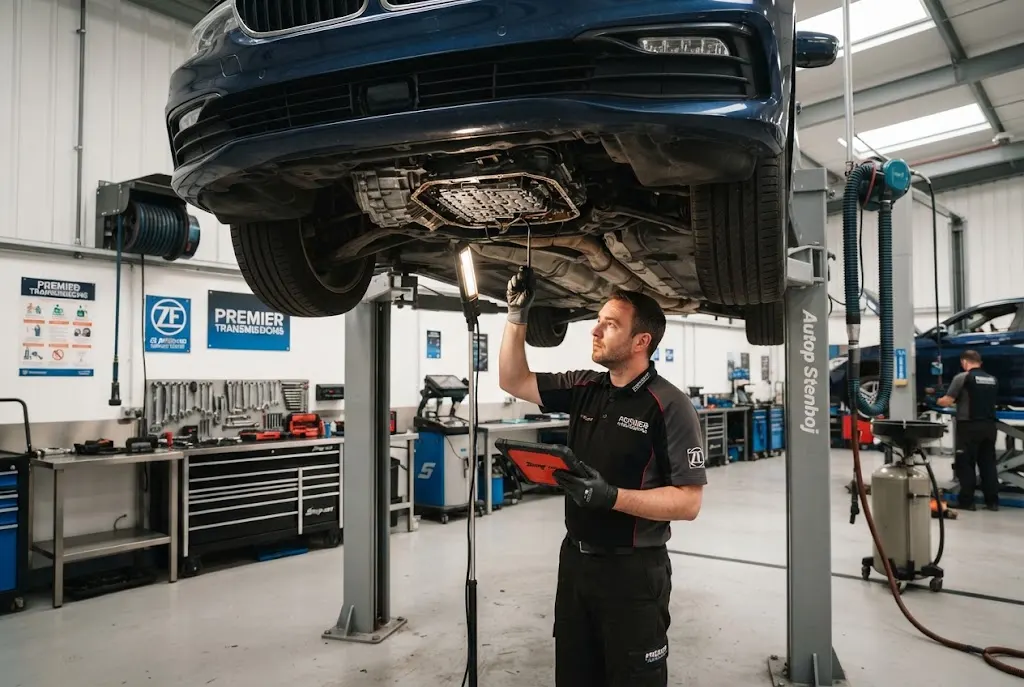
An auto transmission service is an important part of maintaining a vehicle with an automatic or electronically controlled transmission. Regular attention to transmission fluid, filters and other components can help identify developing problems and keep the gearbox operating as intended. For UK drivers, understanding what a transmission service involves can also make it easier to recognise warning signs and compare garage quotations.
Transmission maintenance is not necessarily the same for every vehicle. Service requirements vary according to the make, model, gearbox design, mileage and manufacturer’s recommendations. This guide explains what a transmission service can include, when gearbox oil may need changing, what can affect the cost and which symptoms should be investigated by a professional.
What Is an Auto Transmission Service?
An auto transmission service is a maintenance procedure designed to inspect and, where required, service an automatic vehicle’s transmission system. Depending on the vehicle and manufacturer’s service procedure, this can involve checking the transmission fluid, replacing fluid, changing a filter or inspecting related components.
Automatic transmissions depend on correctly specified fluid for lubrication, hydraulic operation and heat management. However, the exact fluid, service procedure and replacement interval differ between transmission types.
For this reason, a garage should identify the vehicle and gearbox before recommending a particular fluid or service procedure. Using an incorrect fluid or following the wrong filling procedure can cause problems, so transmission servicing is best carried out according to the manufacturer’s requirements.
Why Is Transmission Servicing Important?
A gearbox operates under significant mechanical and thermal loads. Over time, transmission fluid can deteriorate, become contaminated or lose some of its intended properties. The rate at which this happens depends on the vehicle, driving conditions and transmission design.
Proper maintenance can help a technician identify issues such as fluid deterioration, leaks or unusual operating symptoms. It can also provide an opportunity to inspect the transmission before a problem becomes more difficult to diagnose.
However, servicing is not a guarantee against gearbox failure. A transmission that already has mechanical damage may require diagnosis or repair rather than routine maintenance alone.
What Does a Transmission Service Include?
The exact procedure varies, but a professional transmission service may include several checks and maintenance tasks.
Transmission Fluid Inspection
Where the vehicle’s design allows inspection, the technician may assess the condition and level of the transmission fluid. Some modern transmissions have specific procedures for checking fluid level and temperature, so the process should follow the manufacturer’s instructions.
Gearbox Oil Change
A gearbox oil change may involve draining old transmission fluid and replacing it with the correct specification. The amount replaced depends on the service method and transmission design.
It is important to distinguish a conventional fluid drain and refill from procedures designed to replace a larger proportion of the fluid. A garage should explain which method it is using.
Filter Replacement
Some transmissions use a serviceable filter that may be replaced as part of maintenance. Others have different designs and service requirements. Whether a filter is changed should therefore be based on the vehicle manufacturer’s procedure.
Leak Inspection
A technician may inspect the transmission and surrounding areas for signs of fluid leakage. Finding a leak is important because simply replacing fluid does not address the source of fluid loss.
Operational Checks
The vehicle may be assessed for symptoms such as delayed engagement, harsh shifting, slipping, unusual noises or other changes in transmission behaviour.
When Should You Have an Auto Transmission Service?
There is no universal interval that applies to every vehicle. Some manufacturers specify transmission-fluid replacement at particular mileage or time intervals, while others use different maintenance schedules depending on the gearbox.
Your owner’s handbook or manufacturer service information should therefore be the starting point when determining the appropriate interval.
Driving conditions can also matter. Frequent stop-start driving, towing, heavy loads and other demanding conditions can place additional stress on a transmission. If you use your vehicle under particularly demanding conditions, discuss the appropriate maintenance schedule with a qualified technician.
Signs Your Gearbox May Need Attention
Routine maintenance is different from investigating a transmission fault. If you notice changes in the way your vehicle shifts, it is worth having the symptoms assessed.
- Delayed engagement when selecting a gear.
- Unexpected or harsh gear changes.
- Transmission slipping.
- Unusual whining, humming or grinding noises.
- Difficulty selecting gears.
- Transmission warning lights.
- Fluid leaking underneath the vehicle.
- Burning smells or other unusual odours.
- Changes in acceleration or transmission response.
These symptoms can have different causes. Low fluid, fluid deterioration, electrical faults, sensor problems and mechanical issues can produce overlapping symptoms. A professional diagnosis is therefore preferable to assuming that a simple fluid change will solve the problem.
Automatic Gearbox Service and Transmission Service
The terms automatic gearbox service and transmission service are often used interchangeably, but the actual maintenance procedure depends on the gearbox installed in the vehicle.
Automatic transmissions can use different technologies and designs, including conventional automatic gearboxes, continuously variable transmissions and dual-clutch systems. Each can have specific fluid and servicing requirements.
That means a service advertised as a generic gearbox oil change should not automatically be treated as suitable for every automatic vehicle. Always confirm that the garage understands the exact transmission fitted to your car.
Transmission Oil Change vs Transmission Fluid Change
Drivers often use the terms transmission oil change and transmission fluid change when searching for gearbox maintenance. The terminology can vary depending on the vehicle and gearbox.
Some transmissions require a particular automatic transmission fluid, while other gearbox designs use different lubricants. The correct product specification is more important than the terminology used in an advertisement.
Before approving the work, ask the garage which fluid is being used and whether it meets the manufacturer’s specification for your vehicle.
How Much Does an Auto Transmission Service Cost?
Auto transmission service cost varies according to the vehicle, gearbox, fluid requirements, service procedure and garage labour rates. A basic fluid service can cost much less than a repair involving internal gearbox components.
Several factors can affect the final price:
- Vehicle make and model.
- Transmission type.
- Quantity and specification of transmission fluid.
- Whether a filter or gasket needs replacement.
- Access to the transmission components.
- Manufacturer-specific service procedures.
- Garage labour rates.
- Whether additional diagnosis or repairs are required.
Therefore, gearbox service cost should not be judged solely by the headline price. Two garages may quote different amounts because they include different quantities of fluid, filters, diagnostic checks or additional maintenance.
If you are comparing an automatic transmission service price, ask for a breakdown of what is included. This makes it easier to compare like-for-like services.
How Much Is a Gearbox Service?
There is no single answer to how much is a gearbox service because transmission designs and service requirements differ significantly. A small manual gearbox and a sophisticated automatic transmission can require very different procedures.
Rather than relying on a generic online estimate, provide the garage with your vehicle’s registration, make, model and transmission information. The garage can then establish the appropriate service requirements and provide a more meaningful quotation.
If a vehicle has already developed symptoms such as slipping or harsh shifting, tell the garage before booking a routine service. The vehicle may require diagnosis rather than maintenance alone.
Can a Gearbox Oil Change Fix Shifting Problems?
Sometimes a transmission-fluid service can address problems associated with fluid condition or level, but it should not be considered a guaranteed solution for every shifting problem.
If the gearbox has worn internal components, damaged seals, electrical faults or another mechanical problem, replacing the fluid may not resolve the issue. In some situations, a fault can become more apparent because the underlying problem has progressed.
For this reason, unusual transmission behaviour should be reported to the technician. A professional can determine whether the vehicle needs a routine service, diagnostic testing or more extensive repair.
Finding an Auto Gearbox Service Near Me
When searching for an auto gearbox service near me, consider whether the garage has experience with your particular transmission type. Automatic gearboxes can have manufacturer-specific service procedures, so relevant experience matters.
Before booking, ask whether the quoted service includes fluid, filter replacement where applicable, inspection and any required diagnostic checks. You should also confirm whether additional repairs will require separate approval.
A garage that can explain the service procedure clearly can make the process easier, particularly when your vehicle uses a less common transmission design.
Transmission Fluid Leaks Should Not Be Ignored
A visible fluid leak can indicate a problem with a seal, gasket, casing or another component. The colour and appearance of fluid can vary, so visual inspection alone may not establish the source or severity of a leak.
If you notice fluid underneath the vehicle, arrange an inspection rather than simply topping up the transmission. Continuing to drive with insufficient fluid can potentially cause further transmission problems.
A technician can inspect the affected area, determine whether the fluid is actually transmission fluid and advise whether a repair is necessary.
How Transmission Maintenance Connects With Other Vehicle Services
Modern vehicles rely on several interconnected systems, but each requires its own diagnostic approach. A transmission warning light, for example, may involve electrical or electronic components rather than a purely mechanical gearbox problem.
Where appropriate, wider auto electrical services may help diagnose faults involving sensors, wiring or electronic transmission controls.
Similarly, if a vehicle is experiencing starting or electrical power problems alongside gearbox symptoms, auto battery service may be relevant to the broader diagnosis. These issues should not automatically be assumed to have the same cause, however.
How to Prepare for a Transmission Service
Before booking, gather your vehicle’s registration, mileage and service history if available. Your owner’s handbook can also provide useful information about transmission maintenance intervals and approved fluids.
Tell the technician about any changes in driving behaviour. Details such as when a problem occurs, whether the vehicle is cold or warm and whether the issue happens during particular gear changes can help with diagnosis.
If you have previously had transmission work carried out, provide those details as well. Previous fluid changes, repairs or warning lights can be relevant when assessing the current condition of the gearbox.
What to Ask Your Garage
A few questions can help you understand the service you are purchasing:
- What transmission is fitted to my vehicle?
- What fluid specification does it require?
- How much fluid will be replaced?
- Is a transmission filter included where applicable?
- Will the gearbox be inspected for leaks?
- Are diagnostic checks included?
- Will you contact me before carrying out additional repairs?
- What maintenance interval does the manufacturer recommend?
These questions are especially useful when comparing different gearbox service cost estimates because they reveal whether each quotation covers the same work.
Auto Transmission Service: Key Takeaways
An auto transmission service can form an important part of vehicle maintenance, particularly when performed according to the transmission manufacturer’s requirements. Depending on the vehicle, servicing may involve fluid inspection or replacement, filter replacement, leak checks and operational assessment.
Drivers should not assume that every automatic gearbox uses the same fluid or follows the same maintenance schedule. The vehicle’s make, model, gearbox design and manufacturer’s recommendations should determine the correct procedure.
If you notice slipping, harsh shifts, delayed engagement, unusual noises, warning lights or fluid leaks, seek professional diagnosis rather than assuming that a routine fluid change will solve the problem. Proper diagnosis can help distinguish normal maintenance from a transmission fault requiring repair.
For wider vehicle maintenance, related services such as auto electrical services, auto battery service and auto air conditioning service address other important areas of vehicle care. Keeping these services separate but connected helps drivers choose the appropriate specialist when different vehicle symptoms appear.
