

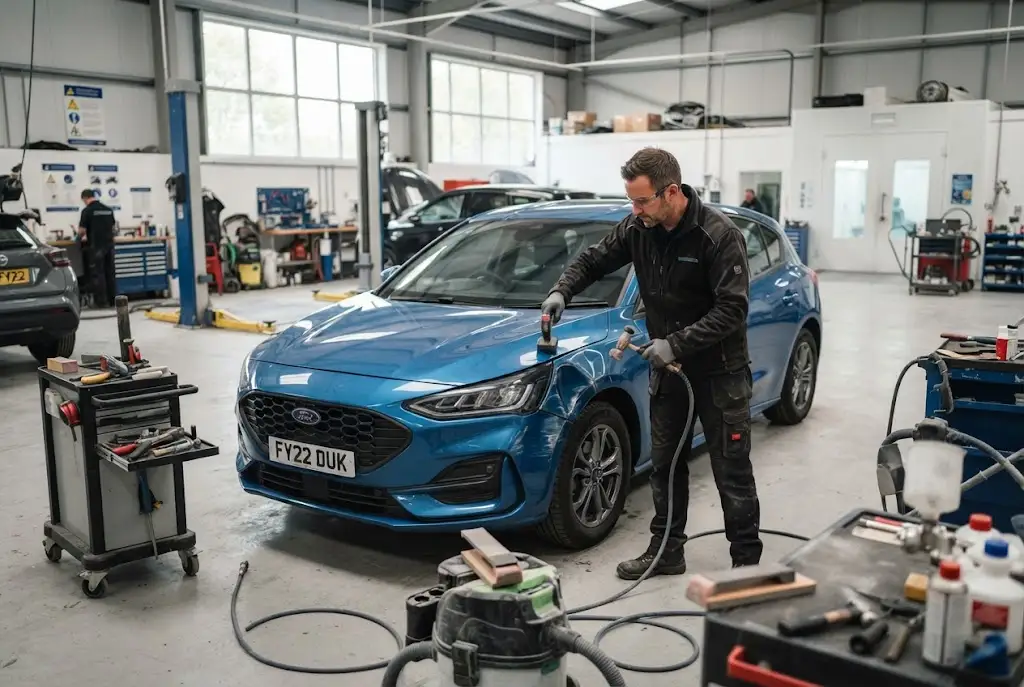
Car body repairs can range from fixing a small dent or scratched bumper to restoring major accident damage. Choosing the right repairer matters because bodywork affects more than appearance. Damaged panels, paintwork, lights, doors and structural areas can influence safety, corrosion protection and the overall condition of the vehicle. For UK drivers, understanding what a repair involves, how estimates are prepared and when specialist accident repair is needed can make the process much easier.
A professional auto tune up service may deal with mechanical or diagnostic issues, but bodywork requires a different type of assessment. A suitable vehicle body shop should inspect the visible damage, consider any hidden problems and explain which repairs are necessary before work begins.
What Are Car Body Repairs?
Car body repairs are the processes used to restore damaged exterior or structural vehicle components. Depending on the circumstances, this can include repairing dents, replacing damaged panels, correcting scratches, restoring paintwork, repairing bumpers and addressing accident-related damage.
The extent of the work depends on the type and location of the damage. A small parking dent may be suitable for a relatively straightforward repair, while a collision can require several panels, lights, suspension components or structural areas to be inspected.
Modern vehicles can also contain sensors, cameras and other technology around bumpers, grilles and body panels. Therefore, a repairer needs to consider more than the appearance of the damaged area.
When Do You Need Car Body Repairs?
Not every mark on a vehicle requires immediate professional attention, but some types of damage should be assessed promptly. Scratches can expose underlying material to moisture, while a damaged bumper, wing, bonnet or door can affect how the vehicle functions.
Common reasons to arrange a bodywork inspection include:
- Dents caused by parking incidents or impacts
- Scratched or chipped paintwork
- Cracked or damaged bumpers
- Damaged doors, wings or bonnets
- Accident-related body damage
- Corrosion around damaged paint or panels
- Misaligned body panels
- Broken lights or exterior fittings
- Damage caused by potholes, debris or minor collisions
If the damage occurred during an accident, it is sensible to inspect the vehicle beyond the most obvious cosmetic area. Some damage may not be immediately visible from outside.
Common Types of Body Work Repair
A body work repair can involve several different techniques depending on the material, location and severity of the damage.
Dent Repair
Dent repair is commonly required after parking incidents, minor impacts and other low-speed collisions. Where the paint remains intact and the panel has not been significantly distorted, a repairer may be able to restore the panel without replacing it.
The appropriate method depends on the shape and depth of the dent, the panel material and its location. A professional inspection is therefore preferable to assuming that every dent can be repaired in the same way.
Paintwork Repairs
Paintwork repairs can address scratches, scuffs, chips and areas where the finish has been damaged. The repair process may involve preparing the affected surface, correcting the underlying damage and applying suitable paint and protective finishing layers.
Colour matching is particularly important. A poor-quality repair may leave an obvious difference between the repaired area and the surrounding panels, especially under direct sunlight.
Bumper Repairs
Bumpers are frequently damaged in low-speed collisions and parking incidents. Depending on the damage, a bumper may be repairable rather than requiring complete replacement.
However, modern bumpers can contain parking sensors, cameras and other equipment. The repairer should therefore establish whether any electronic components have also been affected.
Panel Replacement
Severely damaged panels may need to be replaced rather than repaired. This can apply to doors, wings, bonnets, boot lids and other body components.
The final decision should be based on the condition of the existing panel, the vehicle manufacturer’s requirements and the repairer’s assessment. Replacing a panel is not automatically better than repairing it, particularly where the original component can be restored properly.
Choosing the Right Vehicle Body Shop
Choosing a suitable vehicle body shop is important because repair quality can vary considerably. Price is one consideration, but it should not be the only factor when comparing repairers.
Look for a body shop that provides a clear explanation of the required work and distinguishes between confirmed damage and possible additional repairs. A professional repairer should also be able to explain whether parts need repairing or replacing.
Useful questions to ask include:
- What damage has been identified?
- Are there likely to be hidden issues?
- Can the damaged panel be repaired?
- Does the quotation include paintwork?
- Will replacement parts be new, manufacturer-approved or otherwise specified?
- Could sensors, cameras or other systems require checking?
- How long is the repair expected to take?
- What warranty or guarantee applies to the completed work?
A good body shop should be willing to explain the quotation rather than simply providing a single unexplained figure.
Understanding a Body Repair Estimate
A body repair estimate is an assessment of the expected work and associated cost. The final price can depend on the extent of damage, parts required, labour, paintwork and whether additional damage becomes apparent once the vehicle is dismantled.
For example, a visible dent may initially appear minor but could have affected an adjacent mounting point or component. Likewise, a bumper that looks cosmetic on the outside may contain damaged clips, brackets or sensors.
When comparing estimates, make sure you are comparing similar work. One quote may include panel preparation and paint matching while another may only cover the replacement part. Asking for the work to be itemised can make the difference much clearer.
How Accident Repair Differs From Cosmetic Work
Accident repair can be more complex than ordinary cosmetic bodywork because a collision may affect several vehicle systems at once. Even when the visible damage appears limited, an impact can potentially affect mounting points, suspension, steering, wheels or safety-related components.
If your vehicle has suffered a significant collision, the repair should therefore begin with a proper assessment rather than immediately focusing on dents and paint.
GOV.UK advises motorists to report an accident to their insurance company even if they do not intend to make a claim. If an insurance claim is involved, the insurer may also have its own process for assessing and authorising repairs.
Where structural or major body repairs are required, the repairer should work to an appropriate standard and ensure that the vehicle is safe before it returns to the road. GOV.UK guidance also stresses the importance of roadworthiness following repairs and restorations.
Can Car Body Damage Affect Safety?
Yes. Although some body damage is mainly cosmetic, other damage can have safety implications. A damaged bonnet, door, bumper, wheel arch or structural area may affect how the vehicle performs or how other components are protected.
Modern cars can also have safety technology positioned around areas that are commonly damaged in collisions. This means a repair should not be judged solely by whether the panel looks straight after the work.
Where the damage involves steering, suspension or wheels, a separate mechanical inspection may be necessary. For example, suspension repair may be required after an impact if the vehicle develops unusual handling, pulling or knocking noises.
Car Body Repairs After a Pothole or Kerb Impact
Not all vehicle damage comes from a conventional collision. Potholes and kerbs can damage wheels, tyres, suspension and nearby body components. A driver may notice a scrape or dent while the more important mechanical damage remains less obvious.
If your vehicle has developed unusual handling after an impact, it may be useful to arrange a wheel alignment inspection alongside the bodywork assessment.
Wheel alignment problems can cause the vehicle to pull to one side, leave the steering wheel off-centre or contribute to uneven tyre wear. However, alignment should not be used as a substitute for inspecting potentially damaged suspension or steering components.
Does Insurance Cover Car Body Repairs?
Whether your insurance covers car body repairs depends on your policy, the circumstances of the damage and the terms of any claim. Third-party motor insurance is the legal minimum in the UK, but it does not generally cover damage to your own vehicle.
If you have comprehensive cover, your policy may provide cover for certain types of damage to your own vehicle, subject to its terms, excess and exclusions.
After an accident, provide the insurer with the information it requests and follow its claims process. If the vehicle is considered beyond economical repair, the insurer may classify it as a write-off rather than authorising conventional repairs. GOV.UK explains that insurance write-off categories include Category N for non-structural damage and Category S for structural damage where the vehicle can be repaired to a roadworthy condition.
When Is a Car Body Garage a Better Choice?
A specialist car body garage can be particularly useful when the repair involves paint matching, panel alignment, accident damage or multiple body components.
For straightforward mechanical issues, a general garage may be more appropriate. For example, brake repair should be handled as a dedicated braking-system service rather than treated as part of cosmetic bodywork.
Similarly, engine warning lights or performance issues may require diagnostic work through an appropriate engine diagnostic and tune-up service.
The key is to match the repairer to the actual problem. A body shop should not be expected to diagnose every mechanical or electrical issue simply because the vehicle has suffered exterior damage.
How Much Do Car Body Repairs Cost?
There is no single price for car body repairs because the cost depends heavily on the damage and vehicle. A small scratch can require a very different process from a damaged bumper, replacement wing or major accident repair.
Factors that can affect the price include:
- Vehicle make and model
- Size and location of the damage
- Panel material
- Whether repair or replacement is required
- Paint colour and matching requirements
- Parts availability
- Labour time
- Additional mechanical or electronic damage
- Whether sensors or cameras require calibration or inspection
The best way to understand the cost is to obtain a detailed assessment and ask exactly what is included. A very low estimate may not necessarily represent better value if important work has been excluded.
What Happens During a Professional Body Repair?
The exact process varies according to the damage, but a professional repair will normally begin with an inspection. The technician assesses the affected areas and identifies the work required.
Depending on the job, the process may include:
- Inspecting the vehicle and documenting visible damage
- Checking for related or hidden damage
- Removing damaged components where necessary
- Repairing or replacing affected panels
- Preparing surfaces for paintwork
- Matching and applying the required paint finish
- Reassembling the vehicle
- Checking panel alignment and exterior fittings
- Testing relevant systems where required
- Carrying out a final quality and safety inspection
The objective should be to restore the vehicle appropriately rather than simply make the visible damage less noticeable.
How to Protect Your Vehicle After Body Repairs
Once the repair has been completed, inspect the finished work in suitable lighting. Check panel alignment, paint consistency, doors, boot and bonnet operation, lights and other components that were involved in the repair.
If the repair followed an accident, pay attention to any new handling symptoms. Unusual steering behaviour, vibration or uneven tyre wear may justify additional mechanical inspection.
Regular maintenance remains important after bodywork. For example, keeping brakes in good condition through appropriate brake inspections, monitoring the suspension and checking wheel alignment can help maintain overall vehicle condition.
Final Thoughts on Car Body Repairs
Car body repairs cover much more than removing dents and repainting scratched panels. Depending on the circumstances, the work can involve accident damage, panel replacement, paintwork, bumper repairs and checks for hidden mechanical or electronic problems.
The right approach is to have the vehicle properly assessed before authorising repairs. Compare detailed estimates, ask what the quoted work includes and choose a repairer with the appropriate skills and equipment for the damage involved.
For UK motorists, accident-related repairs should also be considered alongside insurance requirements and ongoing roadworthiness. A vehicle should not simply look repaired; it should be returned to a condition that is appropriate for safe road use.
By choosing a suitable body shop and understanding the repair process, drivers can make better decisions about cost, quality and the work their vehicle actually needs.
